In our modern world, the pursuit of fitness often comes with its own pressures. High-intensity workouts, strict diets, and constant goal-setting can sometimes lead to stress, burnout, and even disconnection from the joy of movement. Ayurveda, the ancient Indian science of life, offers a refreshing alternative. It teaches that fitness should be about harmony, not struggle. Through simple, mindful practices, Ayurveda shows us how to achieve strength and health while keeping the mind calm and balanced.
Understanding Fitness Through Ayurveda
Ayurveda views the body and mind as inseparable. True health comes not only from a strong body but also from a peaceful mind. When we push ourselves beyond our natural limits, both can suffer. Instead, Ayurveda recommends balancing activity with rest, discipline with enjoyment, and movement with stillness. This balance ensures that exercise supports rather than drains our overall vitality.
The concept of doshas—Vata, Pitta, and Kapha—is central here. Each person has a unique constitution, and their approach to fitness should respect this individuality. For example, a Vata person may need grounding and steady movement, while a Pitta person should avoid overheating or competing too aggressively. Kapha individuals benefit most from stimulating, energizing activities. Recognizing this diversity helps create a routine that feels natural and stress-free.
Gentle Beginnings: Movement Without Pressure
Ayurveda encourages us to begin with mindful movement instead of forcing the body into harsh routines. Yoga is a prime example. Simple postures like Child’s Pose or Mountain Pose can calm the mind and ease the body into activity. Gentle stretches and breathing exercises prepare the muscles, lungs, and nervous system for further movement. This approach builds strength gradually while keeping the practice enjoyable.
Breathwork, or pranayama, plays an equally important role. Exercises such as alternate nostril breathing or humming breath can quiet the mind, increase oxygen flow, and release tension. Starting the day with just a few minutes of conscious breathing sets a relaxed tone for everything that follows.
Exercise in Harmony With Nature

Another important Ayurvedic principle is exercising in line with natural rhythms. The early morning, when the air is fresh and the mind is calm, is the most suitable time for physical activity. Ayurveda also takes into account the changing seasons. In winter, when strength is at its peak, the body can tolerate more vigorous exercise. In summer, when heat and fatigue are common, gentle practices like swimming, walking, or restorative yoga are preferred.
This seasonal adjustment helps the body stay in balance and prevents stress caused by working against nature. Instead of rigidly sticking to one routine throughout the year, Ayurveda encourages listening to the body’s signals and responding with kindness.
The Role of Self-Care Practices
Fitness in Ayurveda extends beyond exercise. Self-care rituals such as abhyanga, or oil massage, play a vital role in keeping the body relaxed and resilient. Massaging the body with warm herbal oils improves circulation, nourishes the skin, and calms the nervous system. It is particularly helpful for reducing post-exercise soreness and restoring energy.
Adequate rest is equally essential. Ayurveda teaches that overexertion reduces vitality and weakens immunity. A good night’s sleep, ideally before midnight, helps the body repair and the mind recharge. By respecting rest as much as movement, fitness becomes a source of renewal rather than exhaustion.
Nourishment for Body and Mind
No fitness routine is complete without proper nourishment. Ayurveda emphasizes eating fresh, seasonal, and wholesome foods to support energy and recovery. Meals should be light enough to avoid sluggishness yet nourishing enough to provide strength. Warm, cooked foods often bring balance, while spices such as ginger and turmeric aid digestion and circulation.
Just as important as what we eat is how we eat. Eating mindfully, without distractions, and savoring each bite helps reduce stress and improves the body’s ability to absorb nutrients. In this way, food becomes a part of stress-free fitness, fueling the body with clarity and calm.
Meditation and Mental Balance
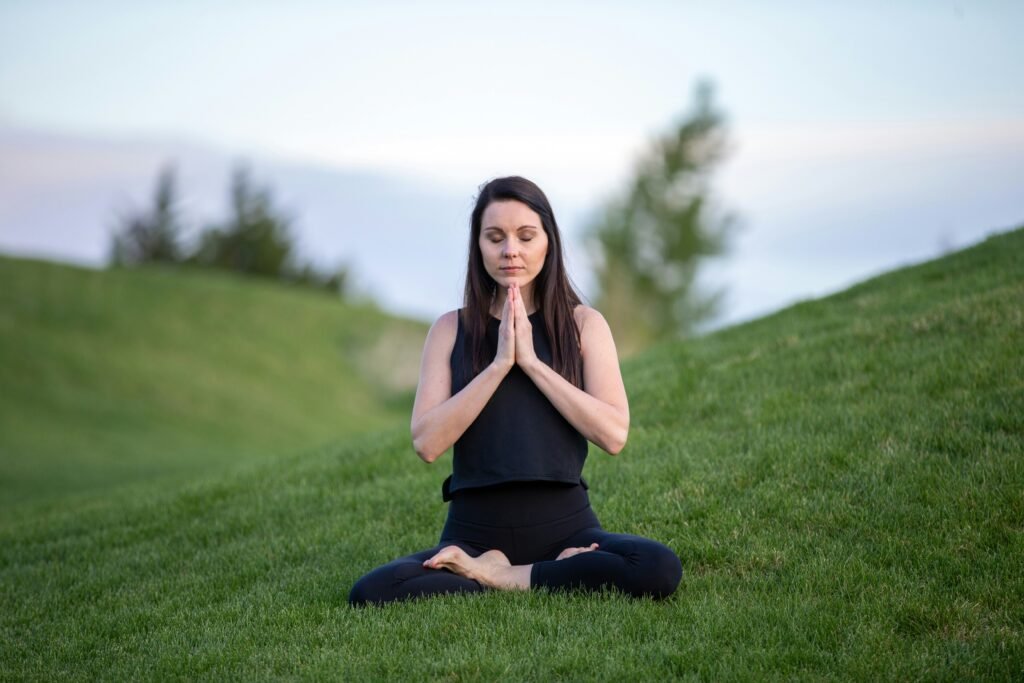
Perhaps the most profound contribution of Ayurveda to fitness is the emphasis on the mind. Meditation is seen as a daily practice that balances emotions, clears distractions, and deepens self-awareness. Even short sessions of sitting quietly, observing the breath, or repeating a calming mantra can have powerful effects.
By including meditation, fitness becomes a whole-person practice. It nurtures not only strong muscles and flexible joints but also patience, resilience, and inner peace. This integration of mind and body ensures that fitness supports overall well-being rather than becoming another source of pressure.
Building a Stress-Free Fitness Routine
A balanced Ayurvedic routine might look like this:
- Begin the morning with gentle yoga and breathing exercises.
- Follow with a walk, light jog, or moderate activity suited to your constitution and the season.
- Afterward, take a few minutes for self-massage or a warm shower.
- Eat a nourishing, seasonal meal to restore energy.
- End the day with meditation and early rest.
This routine is flexible, sustainable, and kind. It allows the body to grow stronger while keeping the mind light and peaceful.
Conclusion
Stress-free fitness is not about avoiding effort but about approaching effort with balance. Ayurveda reminds us that exercise should energize, not exhaust; strengthen, not strain; and calm, not agitate. By weaving together movement, breath, nourishment, self-care, and meditation, Ayurveda offers a holistic path to fitness where body and mind grow in harmony.
When we follow these principles, fitness is no longer a task to be completed but a joyful part of daily living—a practice that leaves us both healthier and happier.