
Mental health and Ayurveda are increasingly discussed together as people look for comprehensive approaches that respect both mind and body. The World Health Organization recognises that one in eight people worldwide live with a mental health condition, and in the UK anxiety and depression remain leading causes of disability. While modern psychiatry offers invaluable interventions, Ayurveda – India’s classical system of medicine – adds a time-tested, person-centred lens. By understanding how doshas, gunas and daily routines influence the psyche, we can create bespoke strategies that address root causes rather than symptoms alone.
Important note: This article is for educational purposes and does not replace professional medical advice. If you are experiencing severe psychological distress, please consult your GP or an emergency service immediately.
The Ayurvedic Concept of Mind
Ayurveda views the mind (manas) as a subtle organ that interfaces between the soul (atma), the senses (indriya) and the body (sharira). Three universal qualities, or gunas, shape mental tendencies:
- Sattva – clarity, harmony, contentment
- Rajas – activity, restlessness, ambition
- Tamas – inertia, confusion, resistance
Healthy mental functioning depends on a predominance of sattva. Excess rajas can manifest as anxiety, anger or addiction, while excess tamas may lead to depression, lethargy or denial. Rather than labelling these states as illnesses, Ayurveda interprets them as imbalances that can be corrected through lifestyle, diet, herbs and therapies that cultivate sattva.
Dosha Dynamics in Emotional Health
Just as vata, pitta and kapha govern physical constitution, they also colour emotional expression:
- Vata governs movement and the nervous system. Imbalanced vata can cause worry, insomnia, panic or scattered thoughts.
- Pitta governs metabolism and intellect. When aggravated, pitta may trigger irritability, perfectionism, criticism or burnout.
- Kapha governs structure and stability. Excess kapha can produce melancholy, attachment, low motivation or emotional heaviness.
A practitioner at The Ayurvedic Clinic will assess your prakriti (birth constitution) and vikriti (current state) to design a personalised mental health plan.
Diagnostic Methods That Look Beyond Symptoms
Consultations typically involve:
- Pulse reading – Subtle qualities of the pulse reveal doshic disturbance and emotional patterns.
- Tongue examination – Coating, colour and shape provide clues to digestive and mental fire (agni).
- Discussion of daily routine – Sleep, work habits and relationships influence mental resilience.
This holistic intake aligns with modern biopsychosocial frameworks but adds energetic nuance, helping clients understand why two people with “depression” may need entirely different protocols.
Building Sattva Through Dinacharya
Dinacharya, the Ayurvedic daily routine, is a cornerstone for regulating the nervous system:
- Wake around dawn. Morning light synchronises circadian rhythms and stabilises vata.
- Tongue scraping and oil pulling. Clearing the mouth stimulates digestive clarity linked to mental clarity.
- Abhyanga (self-massage with warm oil). Sesame oil calms vata and reduces cortisol, supporting grounded mood.
- Gentle yoga and pranayama. Practices such as sukshma vyayama stretching and nadi shodhana breathing soothe rajas.
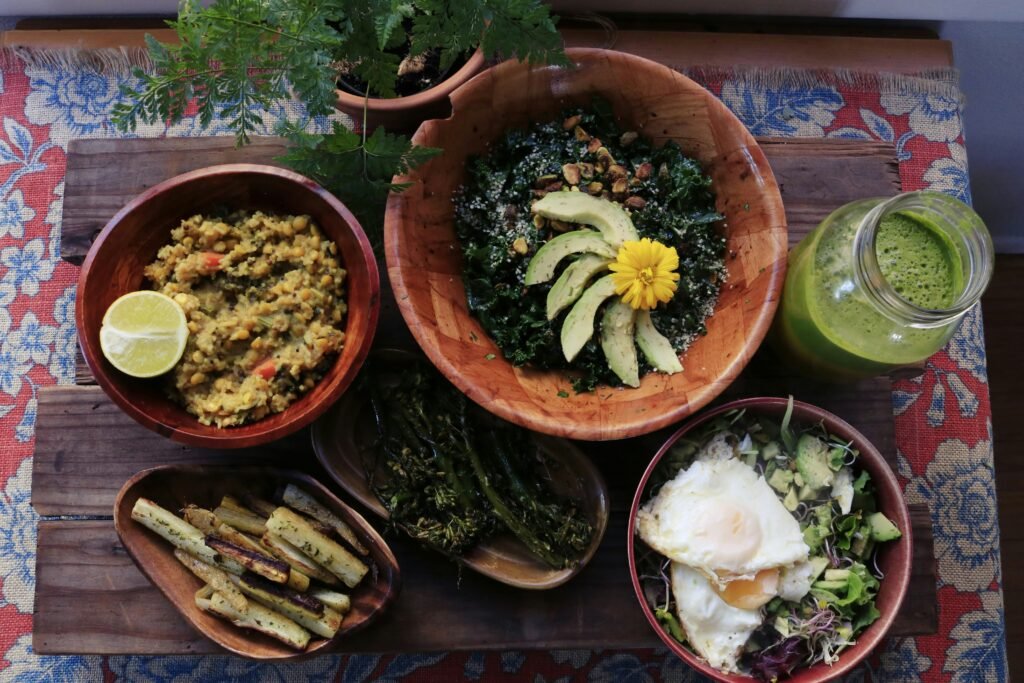
- Mindful breakfast. Warm, sattvic foods – think stewed apples with cardamom or kitchari – nourish both gut and mind.
- Tech breaks after sunset. Limiting evening screen time reduces mental agitation and promotes melatonin release.
Embedding even two of these habits can lower perceived stress in a matter of weeks, according to small clinical studies at universities in India and the United States.
Diet for the Mind
Ayurveda emphasises ahara (nutrition) as primary medicine. To support mental health:
| Mental Tendency | Favoured Tastes | Suggested Dishes | Key Herbs |
|---|---|---|---|
| Anxiety-prone Vata | Sweet, sour, salty | Oat porridge with dates and ghee; root vegetable soup | Ashwagandha, Shankhpushpi |
| Angry or Burnt-out Pitta | Sweet, bitter, astringent | Coconut rice with coriander pesto; mung bean salad | Brahmi, Guduchi |
| Low-mood Kapha | Pungent, bitter, astringent | Buckwheat pancakes with ginger; steamed greens and mustard seeds | Tulsi, Jatamansi |
Preparing meals freshly, sitting down to eat without distractions, and blessing food before the first bite are simple sattvic rituals that enhance digestion and mood.
Spotlight on Adaptogenic Herbs
- Ashwagandha (Withania somnifera) has shown anxiolytic effects comparable to certain benzodiazepines in pilot trials.
- Brahmi (Bacopa monnieri) improves memory and reduces rumination, potentially via modulation of serotonin receptors.
- Jatamansi (Nardostachys jatamansi) is prized for calming an overactive mind and supporting sleep.
Always consult a qualified practitioner before starting herbal supplements, especially if you take prescription medication. You can book an online consultation with one of our BAMS-qualified doctors for dosage guidance.
Therapies That Re-centre the Nervous System
At The Ayurvedic Clinic in South Croydon we offer therapies that complement counselling and medication:
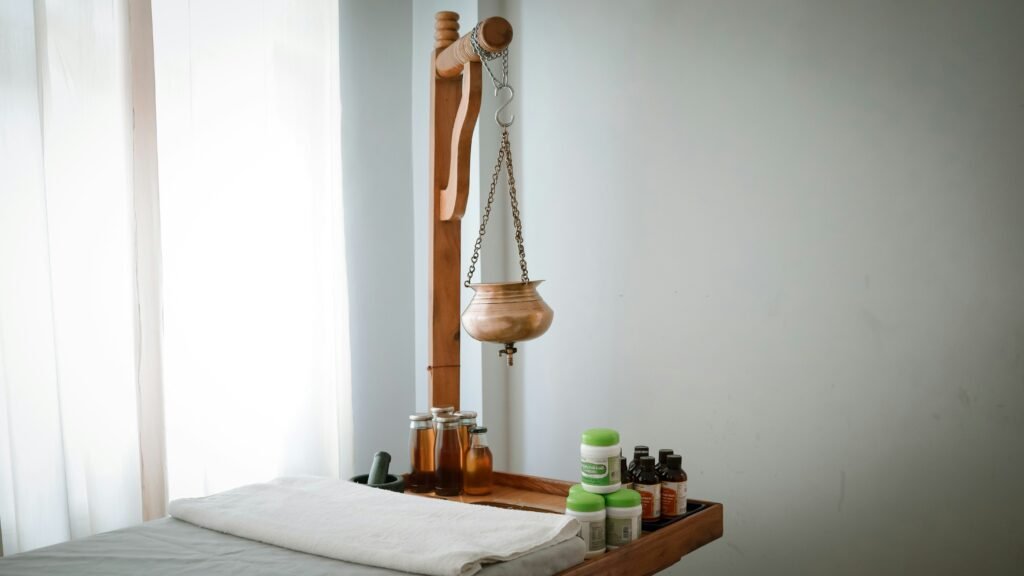
Shirodhara
A steady stream of warm medicated oil is poured onto the forehead’s marma point. Research indicates that a 30-minute session can lower heart rate variability and induce alpha brain-wave predominance similar to meditation.
Nasya
Instilling herbalised ghee into the nasal passages lubricates cranial nerves and is said to clear emotional holding in the sinuses and throat chakra.
Takra Dhara
A buttermilk-based variation ideal for pitta-type stress, cooling the scalp and reducing inflammatory markers.
Panchakarma
A comprehensive detox programme that combines purgation, oil enemas and sweating therapies, often culminating in noticeable mood enhancement once ama (toxins) leave the body.
Yoga, Meditation and Mantra for Emotional Balance
Yoga in the Ayurvedic context is not a gym class but a therapeutic modality.
- Asana – Slow sun salutations, forward bends and supported inversions pacify vata. Twists and cooling backbends alleviate pitta rage, while energising standing poses counter kapha inertia.
- Pranayama – Dirgha (three-part) breathing steadies the vagus nerve; Sheetali breath cools pitta; Kapalabhati invigorates kapha.
- Dhyana – Mindfulness of breath or mantra repetition such as “So Hum” cultivates sattva and neuroplasticity.
Weekly drop-in classes are available at our Croydon clinic, or you can follow guided videos curated by the Ayurveda Institute UK.
Integrating Ayurveda with Conventional Care
The National Institute for Health and Care Excellence (NICE) recommends cognitive behavioural therapy, medication and lifestyle change for common mental health conditions. Ayurveda dovetails with this guidance by:
- Offering nutrition and sleep strategies that bolster therapy outcomes.
- Providing side-effect-mitigating herbs for those on long-term medication (always coordinate with your psychiatrist).
- Encouraging community through group yoga and cooking classes, which supports social prescribing approaches encouraged by the NHS.
Studies published in peer-reviewed journals such as Phytotherapy Research illustrate how Ayurvedic herbs can complement selective serotonin reuptake inhibitors with minimal interactions when supervised.
Practical Action Plan
- Self-audit: Keep a fortnightly journal rating sleep, energy, mood and digestion. Patterns will reveal your predominant dosha disturbance.
- Seek professional guidance: Use our online booking portal to secure a 60-minute consultation. Remote video sessions suit those outside London.
- Start small: Choose one dinacharya habit (e.g., tongue scraping) and one dietary tweak (e.g., warm breakfast). Gradual change prevents overwhelm.
- Track progress: Reassess after six weeks. If anxiety persists, your practitioner may suggest herbal formulations like Manasamitra Vatakam or external therapies such as Kati Basti for lower-back-induced nervous tension.
- Stay connected: Join our free monthly webinar series on “Ayurveda for Emotional Resilience” to maintain motivation.
Frequently Asked Questions
Is Ayurveda evidence-based?
While randomised controlled trials are fewer than in pharmaceutical research, a growing body of studies supports Ayurvedic interventions for stress, insomnia and mild depression. The UK Department of Health recognises it as a complementary system regulated by voluntary professional bodies.
Can I stop my medication once I start herbs?
No. Any tapering must be agreed with your prescribing doctor. Ayurveda complements, not replaces, conventional care unless clinically appropriate.
Is mental illness caused by karma?
Classical texts mention karmic influence, but modern Ayurvedic practice focuses on modifiable factors – diet, lifestyle, environment – and compassionate counselling, never blame.
Are treatments vegetarian and eco-friendly?
Most are plant-based; however, some classical formulas use ghee or honey. We prioritise ethical sourcing and can suggest alternatives for vegans.
Conclusion
Bringing mental health and Ayurveda together honours the complexity of human experience. Where biology, psychology and environment intersect, Ayurvedic principles offer a roadmap for cultivating resilience, clarity and joy. Whether you integrate a single sattvic meal each day or embark on a full Panchakarma, remember that healing is a journey best travelled with guidance and patience.
Ready to take the next step? Contact The Ayurvedic Clinic for a tailored plan that respects your unique constitution and professional responsibilities. Balanced mental health is not a distant ideal – it is your natural state, waiting to be revealed through mindful living.
Tags: mental health and ayurveda, ayurvedic mental health, holistic psychiatry, sattva living, anxiety relief, depression support, vata imbalance, pitta imbalance, kapha imbalance, stress management, ayurvedic herbs, ashwagandha benefits, brahmi for memory, jatamansi root, shirodhara therapy, nasya treatment, panchakarma detox, yoga for anxiety, pranayama techniques, meditation practices, dinacharya routine, sattvic diet, gut brain axis, ayurveda UK, croydon ayurveda, online ayurvedic consultation, herbal adaptogens, sleep hygiene, emotional wellbeing, mental resilience, mind body connection, ayurvedic nutrition, ayurvedic lifestyle, panchakarma UK, ayurvedic cooking, ayurvedic counselling, ayurveda and yoga, natural antidepressants, ayurvedic clinic london, complementary therapy, holistic health UK, WHO mental health, NICE guidelines, social prescribing, digital detox, restorative yoga, seasonal wellness, ayurvedic self care, sattvic recipes, ayurved