Yoga is one of the most accessible forms of exercise for people of all ages and fitness levels. Unlike workouts that require heavy equipment or complicated routines, yoga uses your own body weight, breath, and focus to improve flexibility, strength, and balance. For beginners, yoga is especially valuable because it can be practiced anywhere—at home, in a park, or in a studio—and adapted to personal comfort levels.
In this article, we’ll explore 10 beginner-friendly yoga poses that form a solid foundation for everyday fitness. Each pose is simple, effective, and offers benefits that extend beyond the mat into daily life.
1. Mountain Pose (Tadasana)
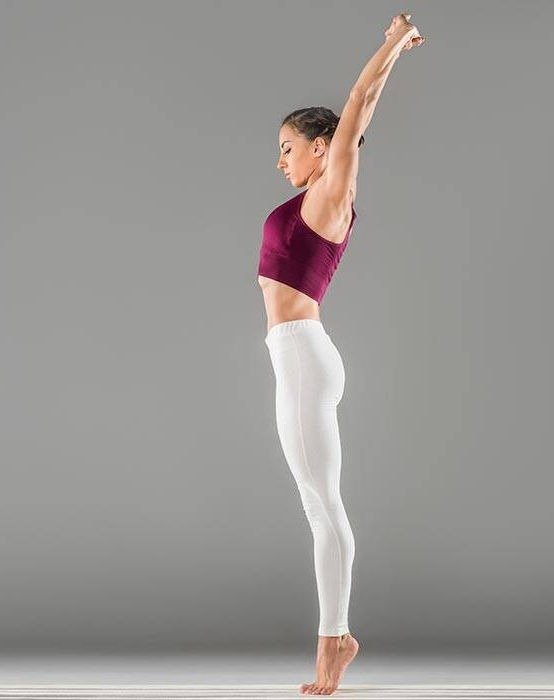
- How to do it: Stand tall with feet hip-width apart, arms relaxed at your sides, and palms facing forward. Distribute your weight evenly across both feet.
- Benefits: Improves posture, strengthens legs, and teaches body awareness.
- Why it matters: This foundational pose helps you feel grounded and balanced before moving into other postures.
2. Downward Facing Dog (Adho Mukha Svanasana)
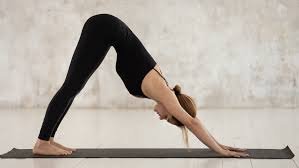
- How to do it: Start on your hands and knees. Lift your hips up and back, forming an inverted V-shape. Keep your heels pressing toward the floor.
- Benefits: Stretches hamstrings, calves, and shoulders while strengthening arms and core.
- Why it matters: A great pose to relieve back tension and energize the whole body.
3. Cat-Cow Stretch (Marjaryasana–Bitilasana)
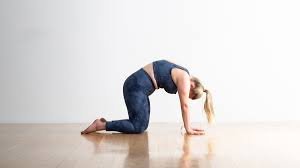
- How to do it: From hands and knees, inhale as you arch your back (Cow), and exhale as you round your spine (Cat).
- Benefits: Increases spinal flexibility, improves circulation, and eases tension in the back.
- Why it matters: Perfect for anyone who spends long hours sitting, as it counteracts stiffness.
4. Child’s Pose (Balasana)
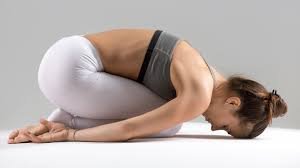
- How to do it: Kneel on the floor, sit back on your heels, and fold forward with arms stretched in front of you or resting by your sides.
- Benefits: Gently stretches hips, thighs, and spine while calming the mind.
- Why it matters: A restful pose for relaxation and stress relief, useful anytime during practice.
5. Warrior II (Virabhadrasana II)
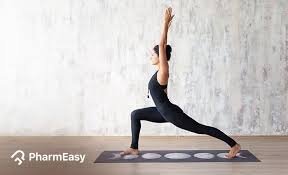
- How to do it: Step your feet wide apart. Turn one foot outward, bend the front knee, and extend arms parallel to the floor. Gaze over your front hand.
- Benefits: Strengthens legs, core, and arms while improving focus and stamina.
- Why it matters: Builds confidence and stability, symbolizing inner strength.
6. Triangle Pose (Trikonasana)
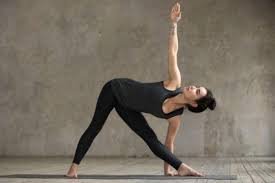
- How to do it: Stand with feet wide. Extend arms, then tilt sideways to bring one hand toward the ankle and the other toward the ceiling.
- Benefits: Stretches hamstrings, hips, and spine; improves balance and digestion.
- Why it matters: A great full-body stretch that also enhances alignment.
7. Tree Pose (Vrksasana)
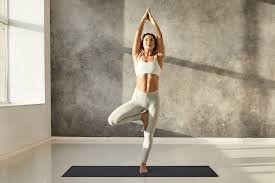
- How to do it: Stand tall, place one foot on the opposite inner thigh or calf (not the knee), and bring palms together at the chest or overhead.
- Benefits: Improves balance, strengthens legs, and enhances concentration.
- Why it matters: Teaches stability, patience, and focus in both body and mind.
8. Bridge Pose (Setu Bandhasana)
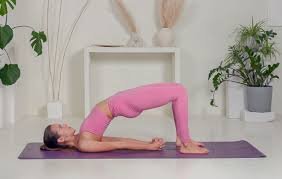
- How to do it: Lie on your back with knees bent and feet hip-width apart. Press into your feet to lift hips toward the ceiling.
- Benefits: Strengthens glutes, hamstrings, and back while opening the chest.
- Why it matters: Relieves lower back pain and counters the effects of sitting.
9. Cobra Pose (Bhujangasana)
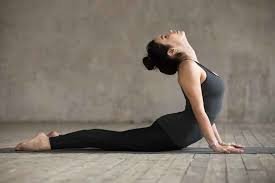
- How to do it: Lie on your stomach with palms under shoulders. Inhale as you press into your hands to lift your chest.
- Benefits: Strengthens the spine, opens the chest, and reduces fatigue.
- Why it matters: Encourages better posture and eases mild back stiffness.
10. Corpse Pose (Savasana)
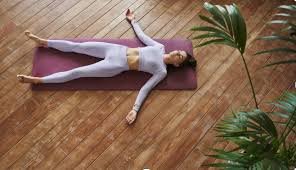
- How to do it: Lie flat on your back with arms at your sides, palms facing upward, and feet slightly apart. Close your eyes and breathe naturally.
- Benefits: Promotes deep relaxation, reduces stress, and restores energy.
- Why it matters: Though simple, it is essential for integrating the benefits of your practice.
Tips for Beginners
- Start Slow: Hold each pose for 20–30 seconds and gradually increase with practice.
- Focus on Breath: Steady breathing enhances relaxation and improves posture stability.
- Use Props if Needed: Cushions, yoga blocks, or rolled towels can make poses more comfortable.
- Listen to Your Body: Never push into pain; yoga is about progress, not perfection.
Conclusion
Yoga doesn’t require advanced flexibility or years of practice to be effective. These 10 beginner-friendly poses create a strong foundation for everyday fitness, supporting flexibility, balance, and strength while also calming the mind. By practicing consistently—even for just 15–20 minutes a day—you’ll notice not only physical improvements but also a sense of inner peace and focus.
Whether you are new to fitness, returning after a break, or simply looking for a mindful way to stay active, these poses are the perfect starting point for a healthier lifestyle.